FAA PART 107 Test Prep
Prepare for the FAA Part 107 Remote Pilot exam with practical, instructor-led training designed to make aviation concepts easier to understand and apply. Learn the regulations, airspace, weather, and operational knowledge you need to pass the exam on your first attempt and become a knowledgeable, safety-focused drone pilot.
-
2-Day Part 107 Exam Prep | $550 pp
Classroom training
16 hours of instruction
FAA regulations and operating requirements
Airspace, sectional charts and airport operations
Weather and aircraft performance
Safety, emergency procedures and risk management
Practice exams and comprehensive test preparation
IACRA, PSI & Trust Registration
Ideal for students focused on passing the FAA knowledge exam.
Group discounts are available! Contact us and we'll be happy to work with you. -
3-Day Part 107 + Flight Introduction | $650 pp
20-24 hours of instruction
Includes everything in the two-day course, plus:
Guided hands-on flight introduction
Preflight inspection and flight planning
Takeoff, landing, maneuvering and VLOS
Individual skills assessment
Ideal for students who want classroom knowledge, an introduction to flying drones, and hands-on experience applying what they've learned in real-world flight scenarios.
*Hands-on flight training is subject to class location, airspace restrictions, and weather conditions,
Group discounts are available! Contact us and we'll be happy to work with you.
-
$65/hr
Preparing for the Part 107 exam involves more than rote memorization. From understanding airspace and sectional charts to interpreting weather reports and applying FAA rules, we'll help you work through the material and focus on the topics that matter most.
Already have your certificate? We also offer refresher training to revisit key concepts, review regulatory changes, and help you stay current. Instruction is tailored to your experience, learning pace, and goals.
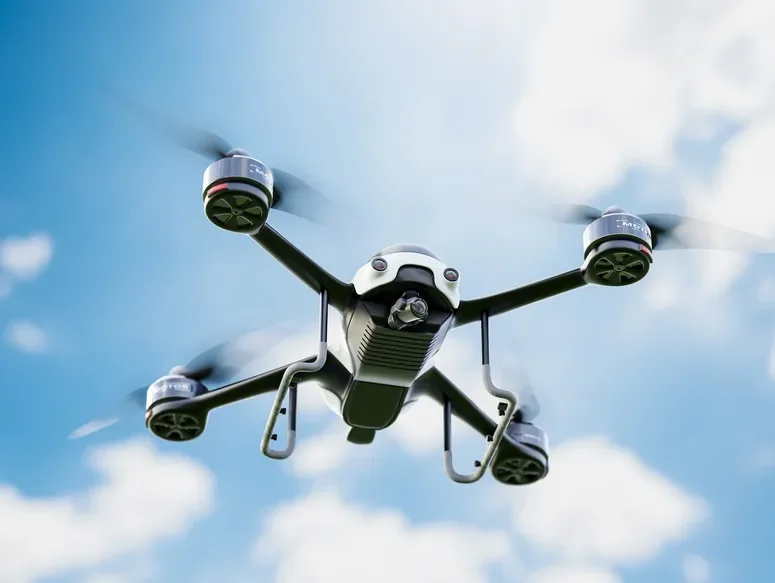
FAA REgulations
Part 107 rules, pilot responsibilities, registration, Remote ID, waivers, and operating limitations.
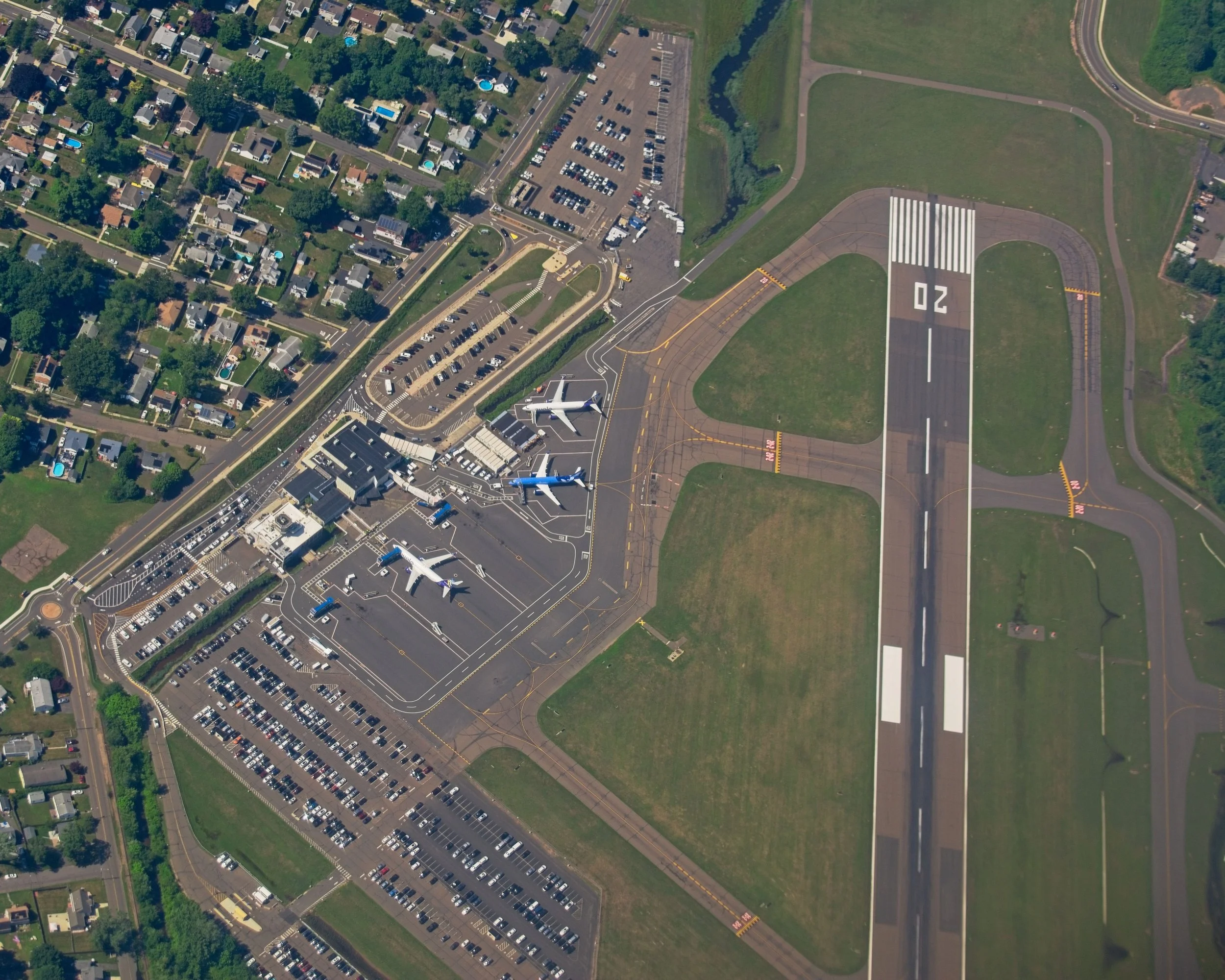
Airport Operations
Airport traffic patterns, CTAF, and radio communication procedures.
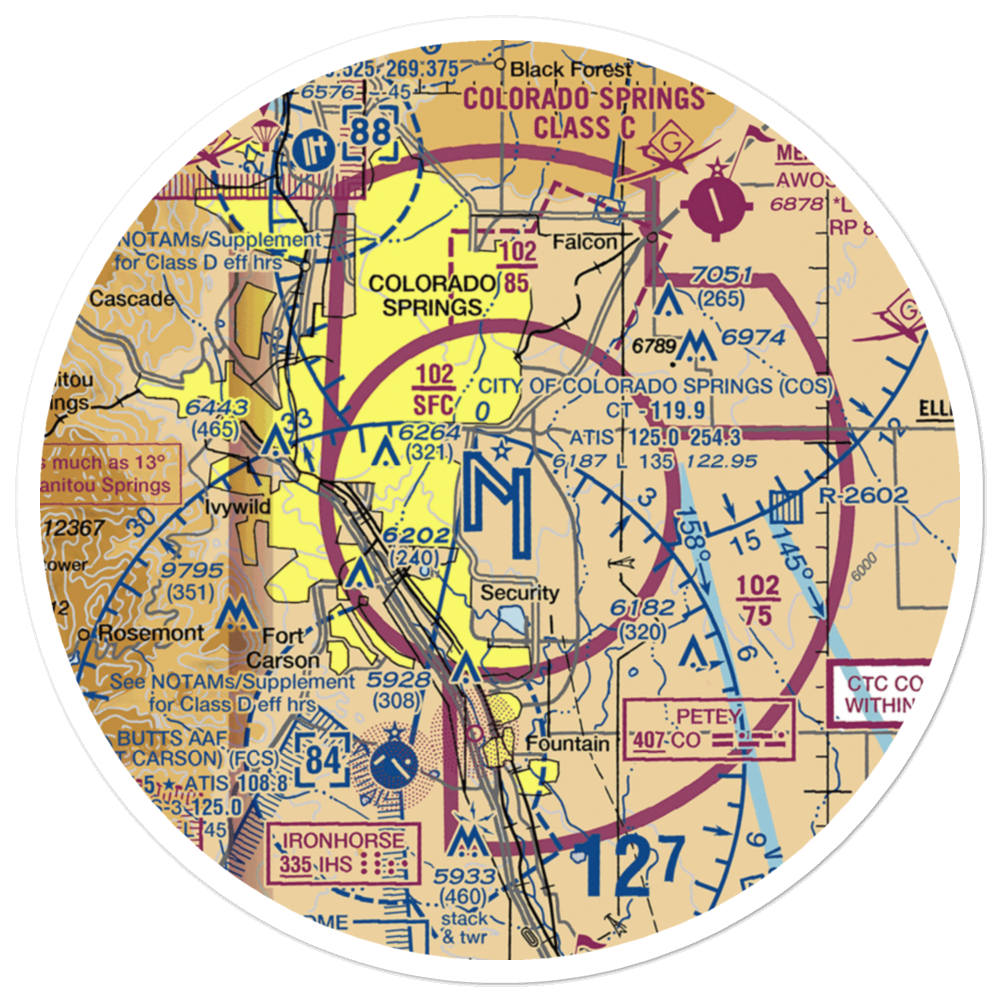
Sectional charts
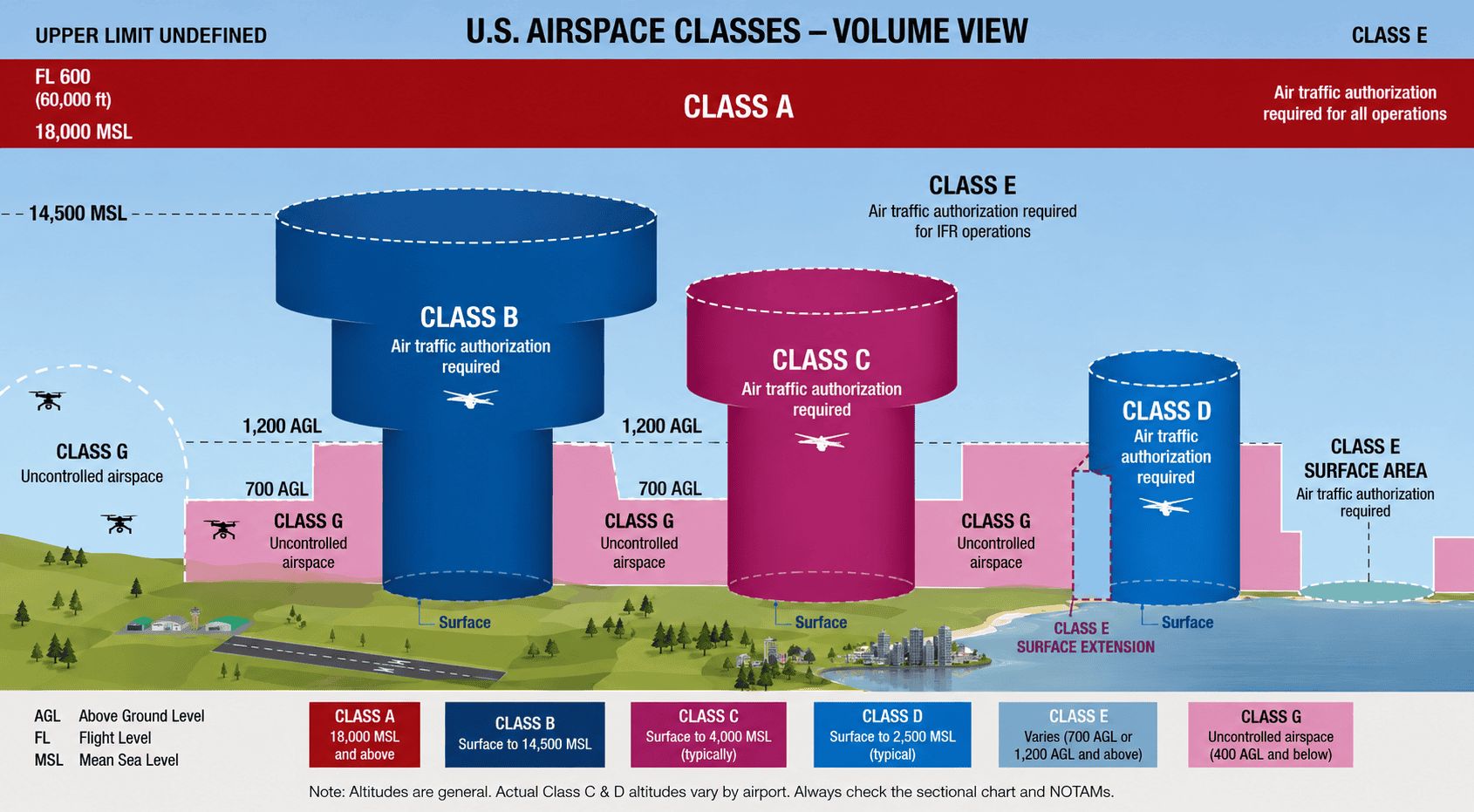
Class A, B, C, D, E, and G airspace, sectional chart interpretation, airport data, and airspace restrictions.

Aviation Weather
METARs, TAFs, weather reports, wind, visibility, clouds, density altitude, and weather effects on drone performance.

Flight Operations
Preflight planning, VLOS, visual observers, operations over people, moving vehicles, and night operations.
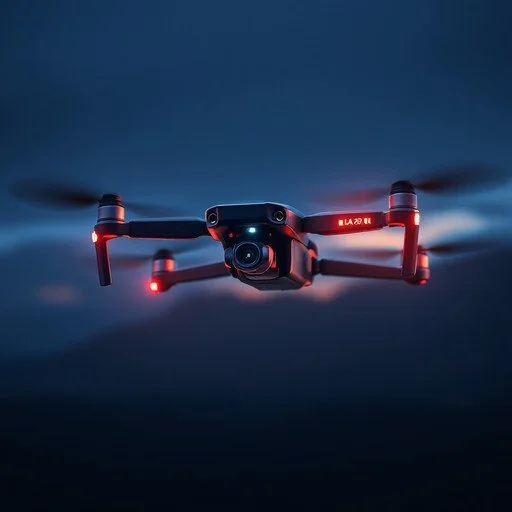
Emergency Procedures
Lost-link procedures, flyaways, emergency landings, crew coordination, and risk management.
ADM & CRM
ADM, hazardous attitudes, IMSAFE, situational awareness, crew coordination, and risk management.

Airspace authorizations
LAANC, controlled airspace authorization, waivers & COAs
Loading & Performance
Weight and balance, center of gravity, load factor, performance limitations, and battery considerations.